- Get link
- X
- Other Apps

Three men vanished from the Flannan Isles lighthouse in December 1900, leaving behind a cold kitchen, a locked door, and an empty rock in the ocean. They did not leave a note. Their bodies were never found.
The short answer is simple. Something forced James Ducat, Thomas Marshall, and Donald MacArthur out into a terrible storm on the edge of Scotland. But when you look at the clues, the simple answer starts to break apart.
The Island That Went Dark
The light on Eilean Mor went out around December 15. Passing ships saw the dark sky and logged the missing beam. The ocean was rough, so a relief ship named the Hesperus could not reach the rock until December 26.
Captain James Harvey reached the shore and blew his ship whistle. No one answered. He fired a signal flash into the gray sky. Still, nothing moved on the steep green hill above the boat.
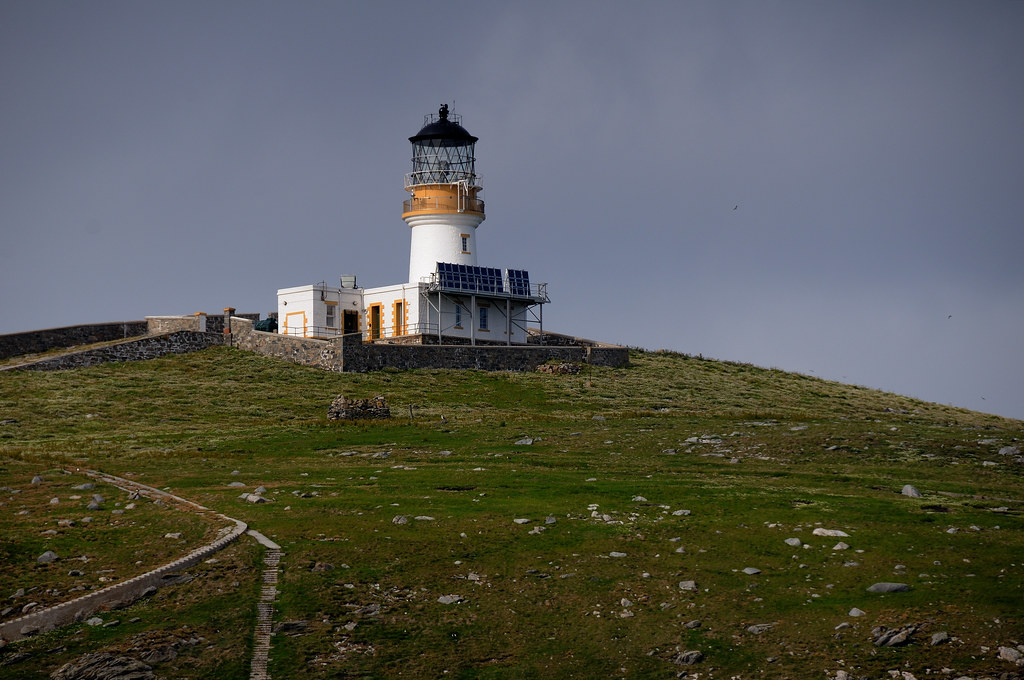
A relief keeper named Joseph Moore rowed ashore alone. He ran up the steep stone steps to the living quarters. He found the main door locked tight. Inside, the kitchen clock had stopped. The table held a meal that no one had eaten. One oilskin coat still hung on its peg, which meant one man went outside in the freezing rain without his heavy storm gear.
You can read the full breakdown of that day in The Flannan Isles Mystery: Why Did Three Lighthouse Keepers Vanish?, which maps out the timeline of their last known hours.
What Did the First Searchers Find?
Joseph Moore did not search the island by himself for long. He ran back to the boat, and the captain sent more men up the rocks to look around. They walked every inch of the small, wind-blown island.
The men found damage at the west landing bay. A heavy iron railing was bent out of shape. A concrete block that weighed over a ton had been torn from its spot and moved down the path. Supply boxes sitting forty feet above the sea were smashed to pieces.
- The lamp was clean and ready to light.
- The logbook was filled out up to the afternoon of December 15.
- The beds were neat and made.
- The gate to the yard was closed.
Everything pointed to a quick departure. Something happened outside, and it happened fast enough to pull two men away from their work, with the third running out right after them. Strange stories soon spread about ghost ships, much like the famous case of the Mary Celeste found floating empty in the Atlantic.
The Strange Logbook Entries: Fact or Fake?
If you read about this case on the web, you will see wild quotes from the keeper logbook. People claim Thomas Marshall wrote about giant winds that no one had ever seen before. They say he wrote that James Ducat was quiet and Donald MacArthur was crying.
That is not true. Those quotes were made up by a writer decades after the event. The real log entries were completely plain.
The official log contained normal reports about the wind and the sea state. The last line, written on the morning of December 15, simply recorded the weather and noted that the light was operating fine. There was no mention of scary storms or men crying in the dark. The real log shows three calm, experienced workers doing their jobs right up to the end.
Understanding what was fake helps us focus on the real evidence. When we drop the fake stories, we are left with a raw puzzle on an empty piece of land.
What Really Happened to the Flannan Isles Lighthouse Keepers?
The standard theory comes from the official report written by Superintendent Robert Muirhead. He was the man who hired the keepers, and he knew the island very well.
Muirhead thought two of the men, Marshall and Ducat, walked down to the landing point to secure a rope gear box. The weather was bad, but they needed to save the gear before the waves swept it away. While they were working, a giant rogue wave hit the rocks. It washed over the ledge and swept them into the icy water.
What about the third man? MacArthur was left inside the tower. He likely saw a massive wave coming from his window. He ran out to warn his friends or help them, forgetting to grab his coat in his hurry. A second huge wave took him too.
This theory fits the broken iron and the coat left hanging on the peg. It makes sense to anyone who knows how dangerous the North Atlantic can be in the dead of winter.
Why Some People Still Doubt the Wave Theory
Even the wave idea has flaws that keep puzzle lovers up at night. Lighthouse keepers knew the golden rule of their job: never leave the light unattended. Leaving the tower empty was a serious breach of rules.
MacArthur was a tough ex-sailor who knew the ocean well. Would he really run into a storm without his heavy coat? And why did he take the time to close the door and gate behind him if he was trying to save his drowning crew?
Here are the key problems with the wave theory:
- The landing bay was high above the normal water line.
- The men were smart and very experienced with local ocean weather.
- No bodies ever washed up on nearby shores.
You can learn more about unresolved historical events on our mystery facts archive page. There are details there that show how hard it is to track things lost in the open ocean.
Could There Be Another Explanation?
Some people think one keeper snapped, killed the other two, threw them into the sea, and then jumped in himself. The island was small, dark, and lonely. Isolation does weird things to human minds.
Yet there was no sign of a fight anywhere in the living space. The dishes were washed. The furniture was in place. If a fight happened, it left zero marks inside the house.
Others point to the geology of the island. According to local records from the Flannan Isles Lighthouse history pages, the sea had carved deep caves under the rock edges. A sudden surge of air coming up through a sea cave could create a sudden blast of wind strong enough to blow men off the cliff edge.
Whatever happened, it took less than an hour to destroy three lives and create a story that people still talk about more than a century later.
The Last Clues Left on the Rock
The ocean around Eilean Mor is cold and deep. When a man falls in, the heavy wool clothing of the 1900s pulls him straight down under the waves. The strong currents move around the outer islands like a river, carrying everything away toward the open arctic sea.
When Joseph Moore stayed on the rock to keep the light burning, he described a heavy feeling of sadness. He walked the cliffs every day looking for his lost friends. He found nothing but wild birds and sea spray.
The lights on the island are fully automatic today. No human lives on the rock to watch the sky or clean the glass. The old stone house stands empty against the cold winds, keeping its secret safe from the rest of the world.
Next time you see a lighthouse beam sweeping over dark water, think about those three men on Eilean Mor. The next time you look at an old cold case, ask yourself: was it a giant wave that took them, or did something else happen on that silent rock? Take a look at the real photos of the island landing bay online and form your own picture of that missing afternoon.
Comments
Post a Comment