- Get link
- X
- Other Apps

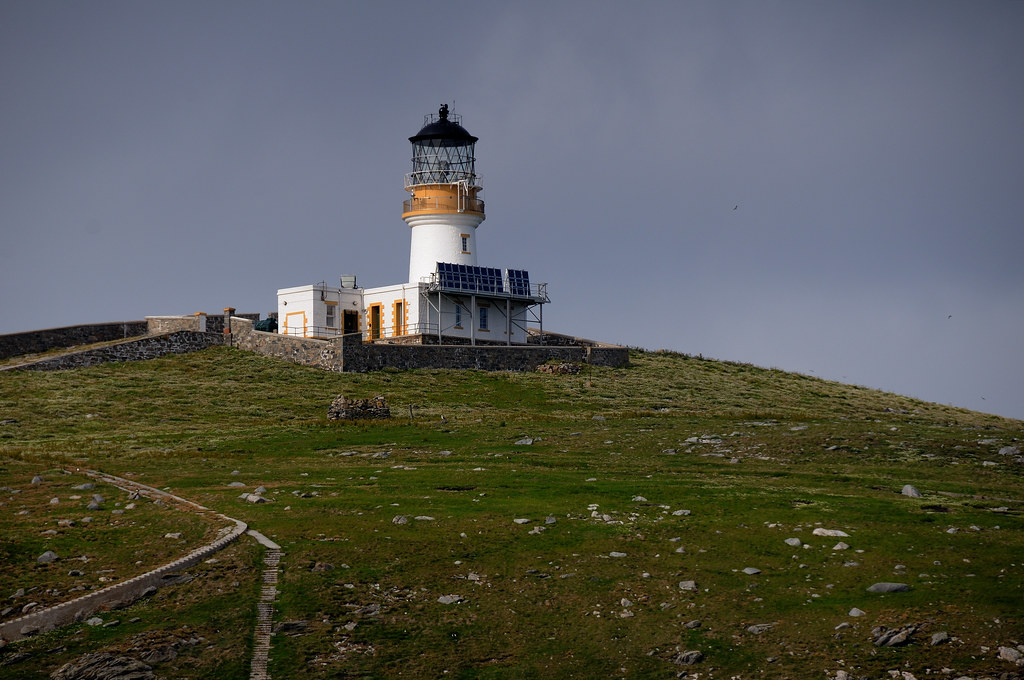
Three men vanished from the Flannan Isles lighthouse in December 1900 without leaving a single trace behind. They left their warm coats hanging on the wall, set the kitchen table, and left the main lamp trimmed and ready. Then they walked out into the cold sea air and were never seen again.
The plain truth is that no one witnessed what happened on that rock in the Atlantic Ocean. Experts believe a massive, sudden wave swept the crew off the steep cliffs during an unmapped storm. Yet some strange details in the logbook still make people wonder if something else happened that night.
What Was Found Inside the Empty Station?
A relief ship named the Hesperus arrived at the island on December 26, 1900. Captain James Harvey was surprised when no one greeted him at the landing spot. Usually, the keepers would come down to help unload supplies and catch up on news from the mainland.
The ship mate, Joseph Moore, stepped ashore alone and walked up the long stone steps to the building. He found the outer gate locked tight. Inside, the clock on the wall had stopped because no one had wound it up. The beds were unmade, and a chair sat flipped over near the kitchen table. Two oilskin coats were missing from the pegs, but one coat was still hanging in the hall. That meant one man went outside in his shirt sleeves into freezing weather.
When Moore checked the lamp room at the top of the tower, he saw that the gear was wiped clean. The oil reservoir was full. The light was ready to burn, but the wicks were dry. You can read about similar historical sea mysteries, like The Ship Found With No Crew on Board, to see how fast an entire crew can disappear from a safe spot.
Who Were the Three Missing Men?
The men on duty were not inexperienced boys. James Ducat was forty-three years old and had worked on lighthouses for over twenty years. He was the principal keeper and had a reputation for being steady and calm.
Thomas Marshall was the second assistant. He was thirty-eight and spent years working at sea before taking this post. The third man was Donald MacArthur, a forty-year-old assistant who was covering for another worker. MacArthur was a former sailor who knew how brutal ocean winds could get.
These three men had lived together in small rooms for weeks at a time. They knew the rules of the sea inside and out. The main rule was simple. A lighthouse must never be left completely unmanned, no matter what happens outside. Yet all three walked away at the same time.
What Really Happened to the Lighthouse Keepers?
People love a good sea story, and over the years, wild ideas started spreading around coastal towns. Some folks claimed a giant sea monster pulled the men off the rocks. Others thought a giant bird carried them away, or that one keeper lost his mind and attacked the other two before jumping into the waves.
Official reports point to a much more grounded answer. The investigation by the lighthouse board showed heavy damage at the western landing site. Iron railings were bent out of shape, and a heavy box filled with iron ropes was smashed open. Rocks weighing over a ton had been pushed around on top of the cliff, forty feet above sea level.
According to the official Flannan Isles Lighthouse history, Superintendent Robert Muirhead concluded that two keepers went down to fix damaged gear near the water. A huge wave must have hit the landing shelf. The third man likely ran out to help them, forgot his coat in the hurry, and was washed away by a second wave.
Why Do Strange Logbook Entries Puzzle People Today?
Decades after the event, a poet wrote a famous story about the missing men. He added made-up entries from the station logbook to make the story scarier. These fake log notes said Thomas Marshall saw terrible storms that never appeared in weather records, and that Donald MacArthur wept like a child.
Many real mystery fans get tricked by these fake quotes. They think the men went mad days before they vanished. The actual logbook shows normal entries up to December 15. The final note was just a simple record of the weather, showing the wind was blowing hard and the sea was rough.
If you love unravelling unsolved historical puzzles, sorting real evidence from made-up stories is half the fun. The real logbook contains no mentions of tears, ghost ships, or magical quiet spells.
Could a Rogue Wave Really Reach That High?
Ocean scientists now know that massive rogue waves are real. They are not just tales spun by old sailors in dark taverns. A rogue wave is a wall of water twice as tall as the surrounding seas, coming out of nowhere without warning.
The western landing shelf on the island sits over one hundred feet above the ocean level. It seems safe from normal water. But when strong currents hit the steep rock underwater, sea waves can climb straight up the cliff faces like a wall.
- A wave hit the rock and tore away the heavy iron ropes stored near the landing site.
- Two keepers tried to secure the gear to keep the light running safely.
- A second wave washed over the ledge and swept all three men into the deep ocean.
The cold water around those islands sits near freezing temperatures in winter. A person fallen into the ocean there would lose strength within three minutes. No boat could rescue them, and no body would float back to shore in those swift currents.
What Lessons Did We Learn From the Rock?
After the men went missing, the lighthouse service changed how people worked on island posts. They added strict safety rules that stopped keepers from going down to the sea ledges during high winds. They also built better wireless communication setups so stations could talk to the mainland every day.
Today, modern lights use automated solar power and computers. No one has to stay on that lonely rock overnight to trim wicks or wind up heavy clock gears. The lighthouse stands empty, blinking its warning light across the water by itself.
The mystery of the Flannan Isles stays with us because it shows how quickly nature can strike. Three experienced men stepped outside into the dark to do their jobs, and the sea took them in an instant. Next time you see a quiet light on a dark coast, think about the three keepers who never made it back inside.
Comments
Post a Comment