- Get link
- X
- Other Apps
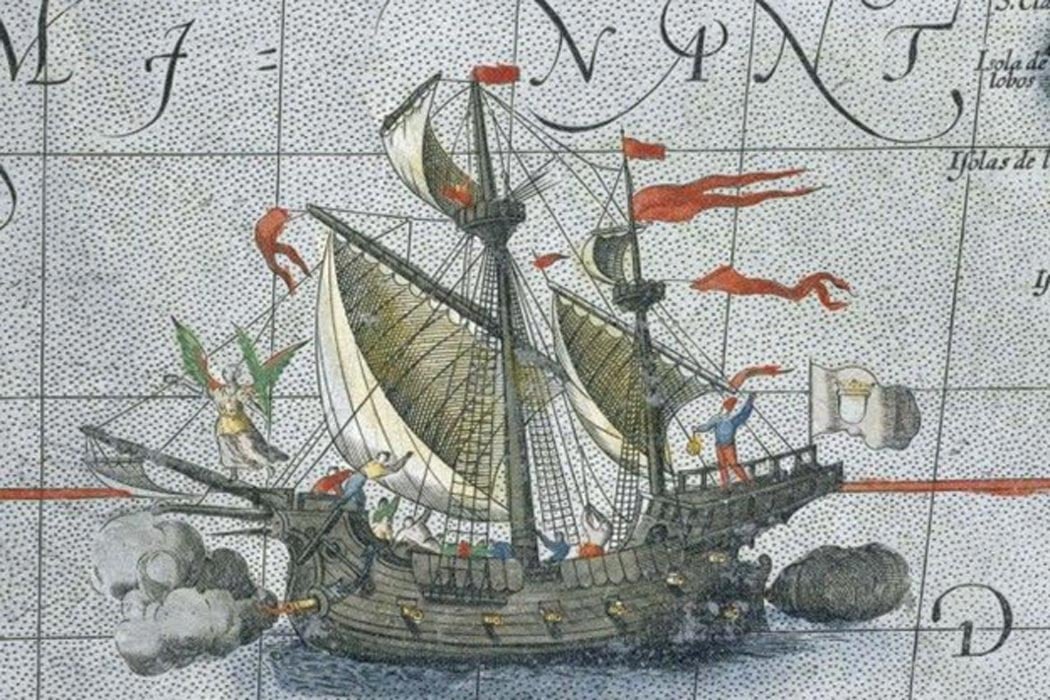
The richest sunken ship in history sits at the bottom of the sea, and no one can find it. A sudden storm snapped the Portuguese warship in two off the coast of Sumatra in 1511. It took sixty tons of stolen gold straight down into the water, where it remains today.
The short answer to why it is still missing comes down to mud, poor maps, and changing currents. Treasure hunters know the ship sank, but the sea floor shifted over five hundred years. If you want to solve a billion dollar mystery, you have to look at what really happened on that dark night.
What Was Lost on the Flor de la Mar?
The ship carried the biggest loot ever collected by the Portuguese crown. King Manuel I wanted wealth from the East, and his fleet leader, Afonso de Albuquerque, took it by force. They raided the rich port of Malacca and took everything of value.
The sailors packed sixty tons of gold bars into the hold. They loaded two hundred chests full of precious gems, including diamonds, rubies, and emeralds. On top of that, they took two life-sized brass lions and a solid gold table. Today, experts estimate the value at more than two billion dollars.
The ship was already old and leaking before they left port. Crew members warned the captain that the boat carried too much weight. He ignored the warnings because he wanted to get the wealth back to his king. That choice cost him everything.

The Terrible Night the Ship Went Down
It happened in November 1511, in the Strait of Malacca. A massive storm blew up out of nowhere off the coast of Pasai. Huge waves slammed into the heavy, wooden hull. The ship crashed onto a hidden reef and broke into two pieces.
The front part of the ship sank almost right away. Albuquerque survived by building a small raft with a few men. Hundreds of sailors and slaves drowned in the dark, rough water. The sea swallowed the gold, the gems, and the brass lions in just a few hours.
survivors wrote down what they saw, but their notes were vague. They knew they were near Sumatra, but they had no modern tools to mark their location. That lack of maps created a modern puzzle that has lasted for centuries.
Why Finding This Treasure Is So Hard
Searching for lost gold sounds simple with modern gear, but this spot is a nightmare for divers. The sea floor in the strait is covered in thick, moving mud. Rivers pour mud into the ocean every single day, burying old wrecks under deep layers of dirt.
The ocean currents in the area are also fast and dangerous. Water moves back and forth through the narrow channel, sweeping sand across the ocean floor. A wreck that was open to the water one year might be buried ten feet deep the next year.
Clear visibility is rare in these waters. Divers often cannot see five inches in front of their faces. They must rely on special sonar equipment that bounces sound off the sea floor, but even sonar gets confused by heavy mud and rocks.
Facts Versus Theories About the Wreck
We need to separate what we know from what people guess. Many myths have grown up around this famous lost boat. Looking at the facts helps clear up the clutter.
- Fact: Official records in Portugal prove the ship sank in late 1511 with massive loot.
- Fact: Captain Albuquerque survived and wrote a report to the king about the storm.
- Theory: Local villagers salvaged the gold right after the storm cleared.
- Theory: The wreck drifted miles away from the reef before it finally hit the bottom.
Some people think the gold is long gone. They believe locals pulled the chests out of shallow water days after the storm. But the heavy gold bars would have sunk deep into the mud fast, making it almost impossible for people in 1511 to reach them without modern diving gear. You can read more about other deep sea puzzles in The Wow Signal and the Strange Message From Space.
Who Has Tried to Find the Ship?
Famous ocean searchers have spent millions trying to locate the wreck. In the late 1980s, a hunter named Bob Marx spent twenty million dollars on a massive search. He claimed he found the right area, but he never brought up the main pile of gold.
Another team thought they found pieces of Portuguese wood near the reef. They brought up old cannons, but none of them matched the records of the lost flagship. Every time a team gets close, the sea seems to hide the secret again.
Legal fights also slow down the search. Three different countries claim they own the gold if anyone finds it. Indonesia, Malaysia, and Portugal all say the treasure belongs to them. Because of these fights, government permits to search the area are very hard to get.
Where Is the Search Headed Now?
How do modern searchers plan to clear up this centuries-old case? Today, researchers use satellite imagery and deep magnetic scans to look through the mud. They do not just guess where the ship went down; they map how the coastline looked five hundred years ago.
Scientists know the land has changed. Some reefs from 1511 are now part of the shoreline, while old beaches are now underwater. By building computer models of ancient storms, scientists hope to trace the exact path of the broken ship.
Many experts think the ship sits near the modern port of Diamond Point in Sumatra. If you want to check out more ocean stories, visit our main page about historical puzzles to see how searchers use new tools to solve old cases. The technology is finally good enough to look through twenty feet of ocean mud.
Will the Treasure Ever Be Found?
The ocean keeps its secrets well, but technology catches up eventually. The heavy gold bars do not rot, rust, or break down over time. They are still sitting under the mud in the Strait of Malacca, waiting for someone with the right map to sweep past with a metal detector.
Until then, the story remains one of the great open cases of the sea. It has history, tragedy, and a fortune sitting in total darkness. Would you spend your own money to search a muddy ocean floor for a five hundred year old secret?
Comments
Post a Comment